What Does “Learning Without Limits” Mean for the Future of Education?
What does Learning Without Limits invite us to explore? It is the theme of the 2026 Maple Bear Global Conference. The idea is simple: keep learning, growing, and working together across Maple Bear’s global network. At the same time, it helps us prepare for a world of education that keeps changing.
The theme asks teachers and leaders to learn from one another and try new ideas. It also asks how education can keep growing.
Learning Without Limits: Lifelong Learning and Growth
Education never stands still. As the needs of students and communities change, so do the ideas and methods that support their learning.
One key idea behind the theme is to stay curious and open to new views. That means learning from experience and looking for ways to improve. It also means building on proven best practices.
This kind of lifelong learning gives teachers and leaders a chance to reflect. In turn, they can swap ideas and find new ways to support students.
Learning From a Global Community
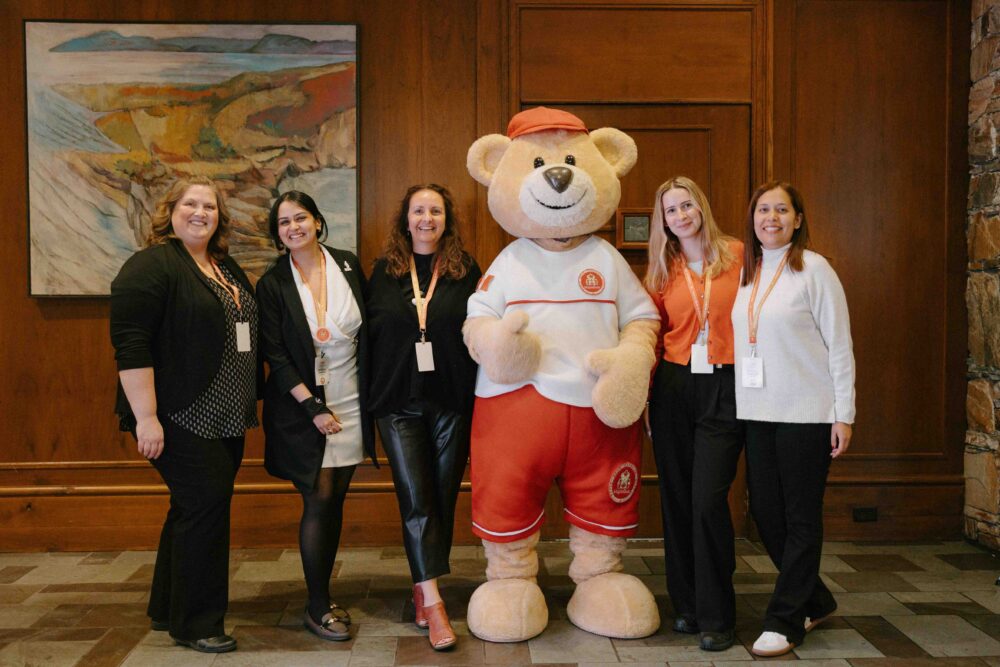
Maple Bear has more than 500 schools in 35+ countries. As a result, it brings together students, families, teachers, and leaders from many cultures and learning settings.
More than 150 guests are expected at the 3rd Annual Maple Bear Global Conference. This gives them a rare chance to learn from schools in different markets and settings.
Schools may solve problems in different ways. Even so, talking about what works can reveal new teaching methods. It can also push guests to think in new ways.
These talks also show how teachers and leaders handle challenges in their own regions. Each person brings local insight to a much wider conversation about teaching and learning. You can see this same spirit all year in the Maple Bear Global Connections Program.
Adapting to a Changing World
New tools, new teaching methods, and new student needs keep shaping how students learn. Wider changes in society play a part too.
To adapt, we need to stay open to new ideas and understand new trends. Then, we can ask how they might make teaching and learning stronger.
This year’s keynote speakers will look at these questions from different angles.
First, change strategist Jay Kiew will present “NAVIGATE: How to Flourish in the Complexities of an Uncertain World.” He will share how leaders can face uncertainty and respond to fast change.
Next, Dr. Cindy Gordon, CEO and Founder of SalesChoice, will present “The AI Precipice: Balancing Innovation and Safety in Education.” She will focus on the upsides and risks of AI. She will also explore what its growth may mean for schools.
Together, the two talks offer fresh ways to think about change. They also tie back to Learning Without Limits. Above all, they invite guests to meet new challenges with curiosity, flexibility, and responsibility.
Exploring Learning Without Limits at the Conference
The spirit of Learning Without Limits is about curiosity and lifelong learning. It is also about being willing to adapt as education keeps changing.
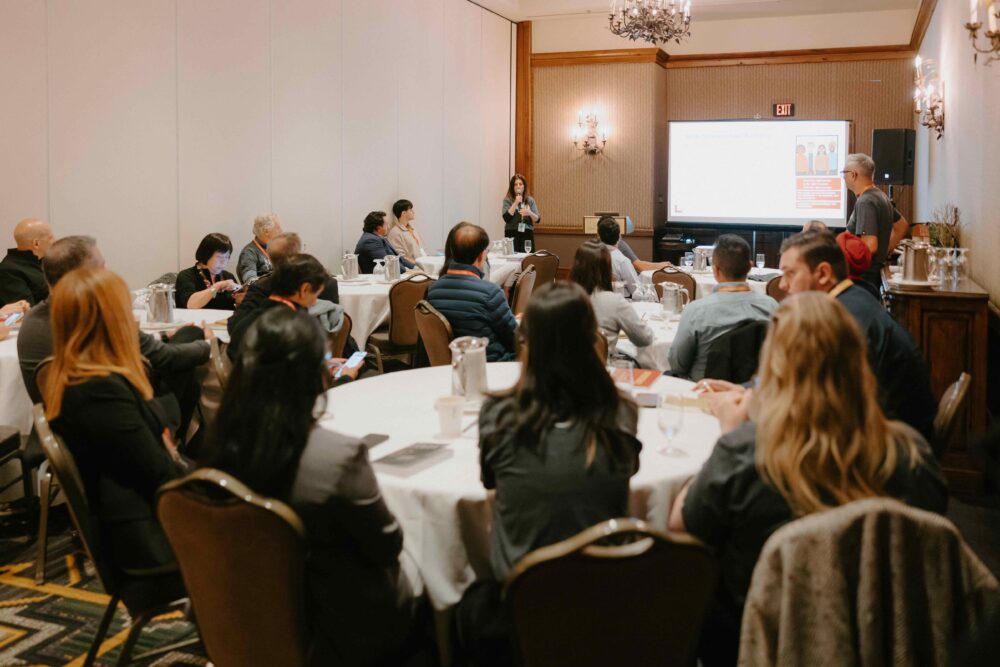
In Montreal, the Conference will bring teachers and leaders from across the Maple Bear network together. There, they can explore these ideas through shared stories, talks, and points of view.
Ultimately, the theme invites guests to stay open to new ideas and learn from one another. It also asks them to imagine what may come next. To learn more about our approach, see Why Maple Bear.
For dates, venue details, and the full agenda, visit the official event website.