How International Education Is Evolving: Key Insights from 2025
International education in 2025 is growing faster than ever — but it’s also changing in ways that matter. ISC Research’s Global Market Overview 2025 reveals 15,075 English-language international schools worldwide, serving 7.6 million students. The numbers are impressive. But the real story is what’s driving that growth, and what it means for families, educators, and school owners around the world.
But the real story isn’t just about growth. It’s about change.
International education in 2025 is adapting to new realities: geopolitical shifts, changing family priorities, and a fresh understanding of what students actually need to thrive in the world.
What are the key trends in international education for 2025?
The key trends reshaping international education in 2025 are:
- Local families are now driving school enrollment growth
- Bilingual programs have grown 18% since 2015
- 40% of schools now belong to larger school networks
- Schools are prioritizing whole-child and experiential learning
Local Families Are Leading Growth
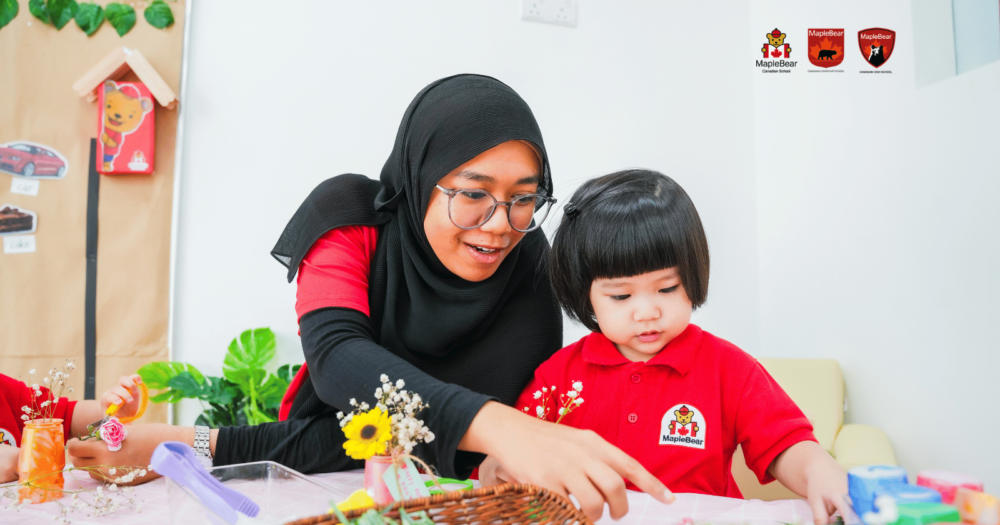
Here’s a shift that’s reshaping the sector: international schools aren’t just for expatriate families anymore. In fact, local families are now driving most of the growth.
A decade ago, the typical international school student was the child of diplomats, business executives, or aid workers. These were families who moved frequently and needed continuity in their children’s education. Today, it’s just as likely to be a family in Krakow, Seoul, or São Paulo who have never lived abroad but want their child to have access to global universities and to be fluent in English.
Asia remains the centre of gravity for international schools, accounting for 58% of all schools and 64% of global enrolment. But it’s local nationals, not expatriates, who are fueling that growth.
This trend is especially visible in markets like Saudi Arabia and Japan, where bilingual and mid-market schools are expanding rapidly. The top five markets (China, India, the UAE, Pakistan, and Indonesia) now represent more than a quarter of all international school students worldwide.
Bilingual Programs Are Booming
Walk into an international school today, and you’re likely to hear more than one language in the hallways. And that’s by design.
Bilingual programs have grown 18% since 2015 and now make up 36% of all international schools globally. Families want their children to be fluent in English, yes, but they also want them grounded in their home language and culture. Schools are responding by weaving national languages, civics, and cultural content into their programs—not as an afterthought, but as a core part of the curriculum.
This kind of flexibility is becoming essential. Many schools now offer multiple pathways that blend international standards with local requirements, allowing students to pursue global opportunities without losing connection to their home country’s education system.
The Sector Is Consolidating
If you follow international education, you’ve probably noticed more schools joining larger networks. Around 40% of international schools now belong to a school group, and that number is rising. More than half of all new schools in development are already tied to a group before they even open.
What does this mean?
It signals a maturing market. Schools are professionalizing, investing in infrastructure, and building systems that support consistency and scale. In the world’s highest-revenue markets, international schools are shaping economies, attracting investment, and becoming part of national development strategies.
Schools Are Rethinking What Matters
Here’s where things get interesting: international schools are moving beyond the traditional model of classrooms, textbooks, and exams.
More schools are prioritizing experiential learning, like robotics clubs, outdoor education, and community service projects. These aren’t “extras” anymore. They’re central to how students learn to think critically, collaborate, and engage with the world around them.
There’s also a growing focus on the whole child.
Schools are recognizing that academic achievement matters, but so does emotional well-being, resilience, and character development. Digital tools are helping, too—not just for instruction, but for personalizing learning, supporting mental health, and building digital literacy from an early age.
Looking Ahead
The international schools market in 2025 is complex, dynamic, and still growing. But growth alone isn’t the measure of success anymore.
What matters now is adaptability. Schools that understand their communities, respond to changing needs, and prepare students for a world that’s more connected and uncertain than ever.
The schools that thrive will be the ones that invest in people, stay flexible, and keep pathways open to the world.
Be Part of the Fastest-Growing Sector in Education
International education is booming — and Maple Bear Global Schools is at the centre of it. Join 500 schools across 35+ countries.
Learn How to Own a Maple Bear School