Why Are Local Families Choosing International Schools?
For decades, international schools were built around expatriate families. That model is over. Today, local families in international schools represent nearly 80% of all enrollment worldwide — and the number keeps growing. From Bulgaria to Brazil, parents are choosing bilingual, globally minded education not because they’re moving abroad, but because they want the best for their children right where they live.
Why Are Local Families Choosing International Schools Over National Systems?
Three factors are driving the shift: aspiration for bilingual education, access to globally recognized credentials, and dissatisfaction with overcrowded or outdated national curricula.
Families in growing economies are increasingly able to afford private education, and many no longer see their national systems as the best option for their children’s future. What they want instead is bilingual fluency, globally recognized credentials, and learning environments that prepare students for universities and careers beyond their borders.
In Plovdiv, Bulgaria, this shift is playing out in real time.
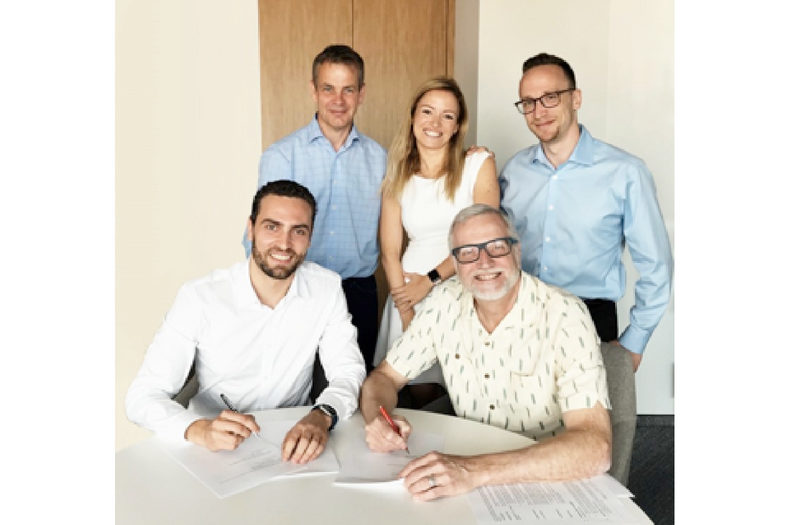
Kosta Bodoukov, future Administrative Director of Maple Bear Plovdiv, has spent years observing the city’s educational landscape. He sees a clear and urgent need among local families, especially young parents who studied or worked abroad and have since returned home.
“Many young parents hesitate to stay in the city because there are limited educational options for their kids,” he explains.
In his view, cities cannot thrive without attracting and retaining talented professionals, and quality education is central to that equation.
Bodoukov’s decision to bring Maple Bear to Plovdiv reflects both research and conviction. He believes that education is not simply a credential, but a foundation for personal freedom and social progress. The Canadian bilingual model appeals to families seeking inquiry-based learning, critical thinking and genuine engagement.
“The Canadian system ignites in children a genuine love for learning,” he says. “It nurtures their natural curiosity and helps us cultivate it.”
How Local Families Are Driving International School Growth Globally
The trend Bodoukov describes in Bulgaria mirrors broader patterns documented in the ISC Research Global Market Overview 2025.
Across Central and Eastern Europe, the Middle East, Asia and Latin America, international schools are expanding rapidly — not to serve transient expatriate populations, but to meet local demand.
Parents in these regions are drawn to bilingual education, student-centred pedagogy and pathways to top-tier universities. Many are frustrated by outdated curricula, overcrowded classrooms or limited English-language instruction in their national systems. International schools offer an alternative that feels both aspirational and practical.
At the same time, regulatory frameworks in many countries have evolved to support private international education as part of national development strategies. Governments recognize that high-quality schools attract foreign investment, retain skilled workers and contribute to local economies.
A New Identity for International Schools
The shift from expatriate-dominated enrolment to local-majority student bodies represents a fundamental change in how international schools operate. These institutions are no longer temporary stops for globally mobile families — they are long-term community anchors serving multi-generational cohorts.
Schools that succeed in this environment will be those that balance global standards with local relevance, maintain academic rigour while honouring cultural identity, and genuinely invest in the cities and families they serve.
The international school of 2026 looks less like an island and more like a bridge, and Maple Bear has been building that bridge for over 20 years.
The Demand Is There. The Model Is Proven.
With 80% of international school students now local nationals, the market has never been bigger. Join Maple Bear Global Schools and bring world-class Canadian education to your community.